
Living the Forest Lab | Reallabor Wald
Sara Reichert
s.reichert@tu-berlin.deAthena Grandis
athena.grandis@tu-berlin.deMaking without tools — constraint as creative method
What happens when you want to build something but don’t have the right tools? ReCraft placed this question at the centre of a hands-on workshop held during the LiFo Lab excursion to Breda, drawing on a tradition of making that runs from the earliest hacker spaces to contemporary DIY culture: the conviction that constraints are not obstacles to creativity, but its precondition.
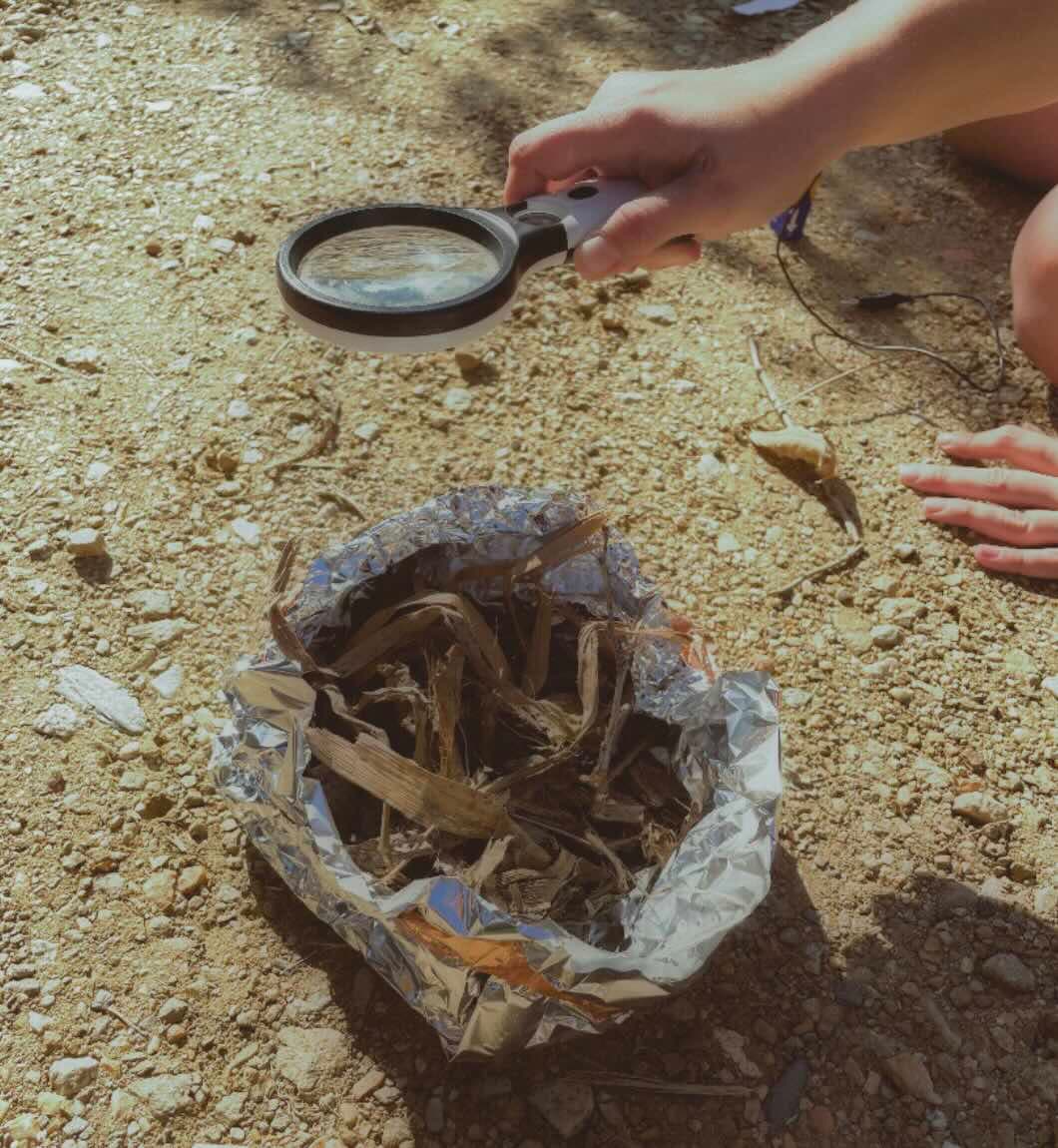
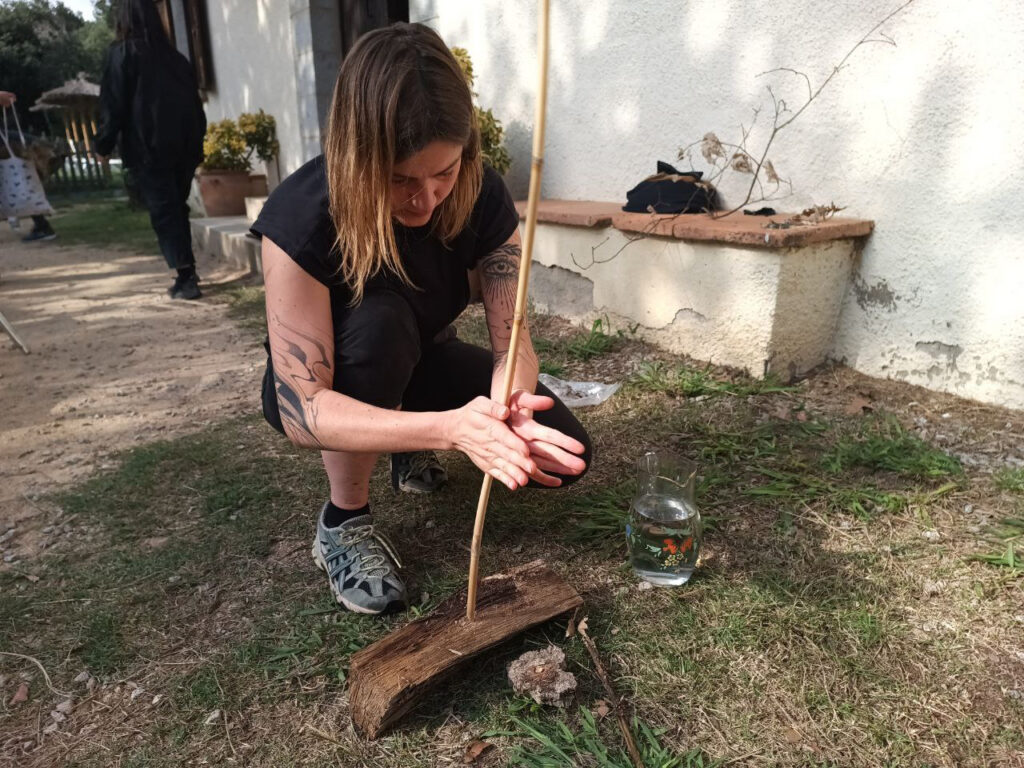
The workshop unfolded in two phases. In the first, participants were asked to make fire — without matches or a lighter. They used magnifying glasses and dry straw, created short circuits with batteries, extracted chlorine from household materials, or returned to the most elemental technique of all: friction between two sticks. Some worked alone, others in groups. The task had no single correct solution, which was precisely the point.
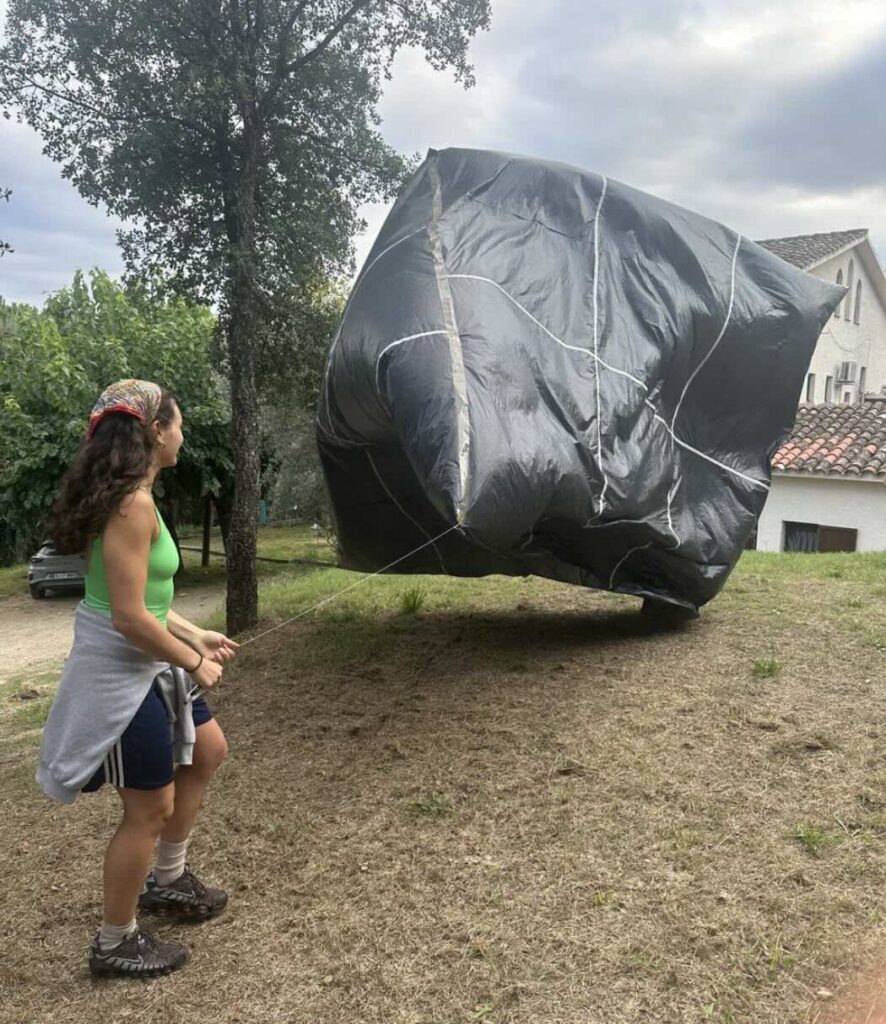
In the second phase, participants were given the materials they had brought on the excursion and asked to build whatever device they could imagine. One person constructed a flying body from rubbish bags; a group assembled a water-sensor boat from a plastic bottle and a small motor. The prototypes did not always behave as intended — but that too was part of the learning.
ReCraft connects directly to the ethos of hacker and maker culture, which has long argued that working with limited or repurposed materials produces not just functional objects but new ways of thinking. By removing familiar tools, the workshop defamiliarised the act of making and forced participants to draw on resources they would otherwise overlook — including each other. The results were unpredictable, sometimes dysfunctional, and consistently generative.